
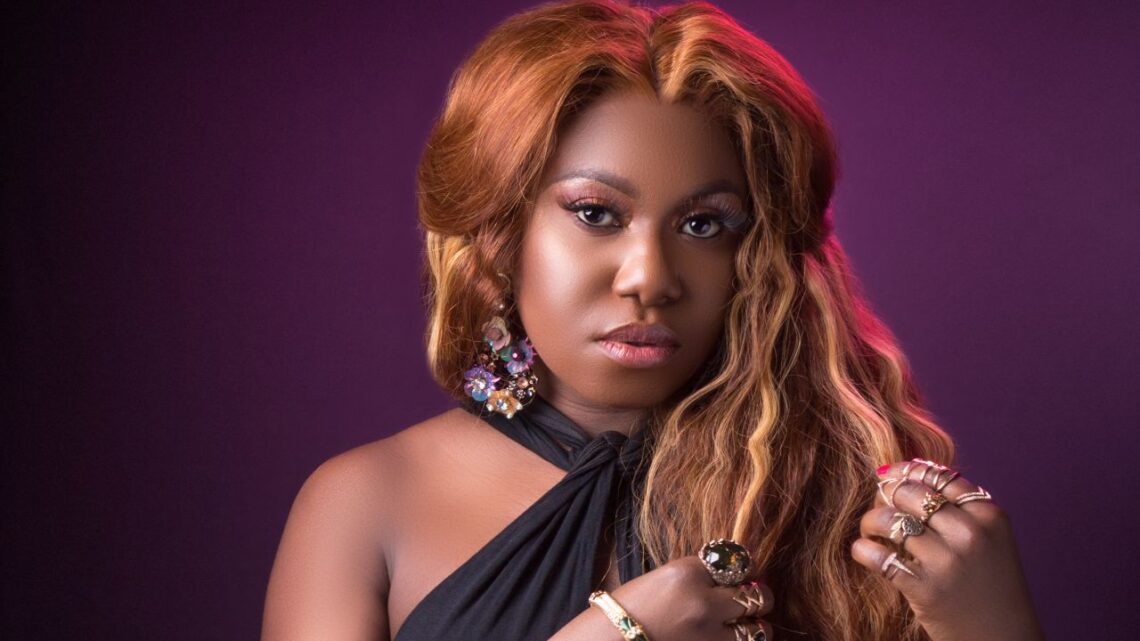
From a third runner-up finish on Project Fame to creating an entire genre and earning Grammy recognition via Beyoncé, Niniola’s career evolution is one of Nigerian music’s most remarkable stories.
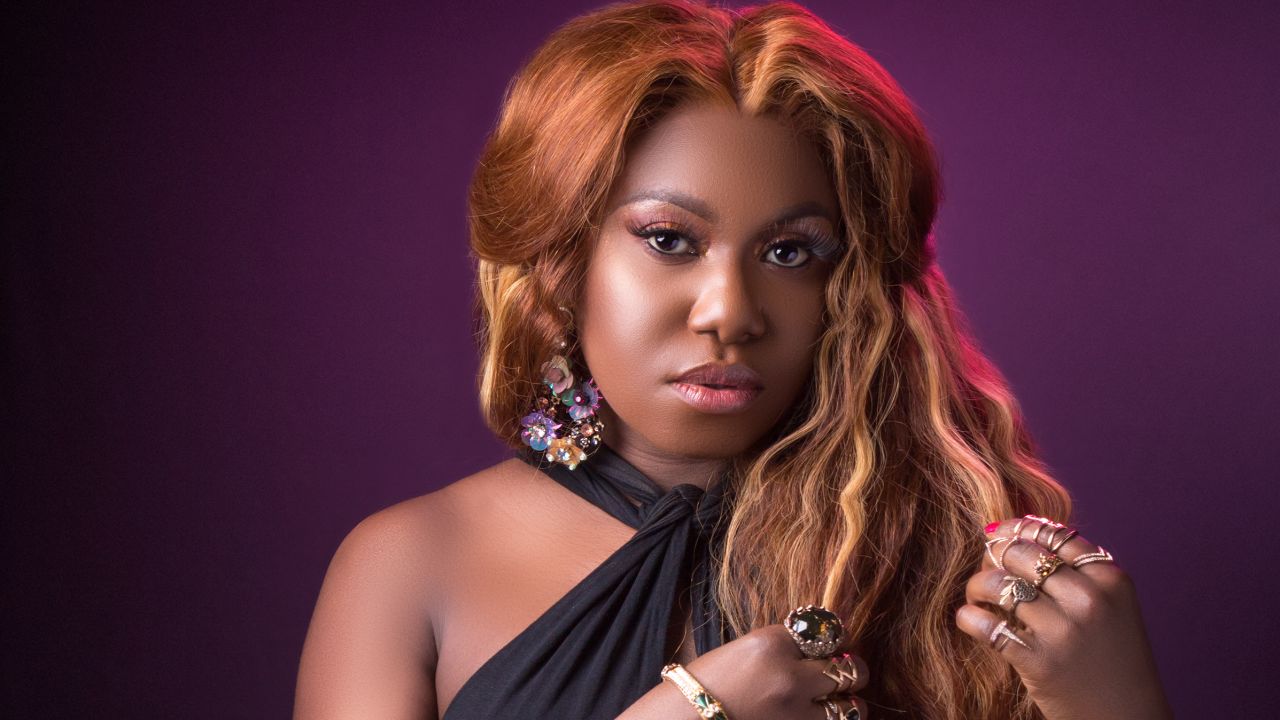
In an industry often propelled by fleeting trends and instant hits, Nigerian singer and songwriter Niniola Apata made a different choice. She committed to a sound many once considered unsellable to Nigerian audiences, let alone the global market. More than a decade later, that decision has defined her career.
From a third runner-up finish on a reality TV show to creating an entire genre, earning a Grammy certificate through Beyoncé, and returning to music after devastating personal loss, Niniola’s career evolution is one of Nigerian music’s most remarkable stories.
Early Life and the “Human Radio”
Born Niniola Apata on December 15, 1986, in Lagos State, Niniola hails from Ekiti State and is the elder sister of fellow music star Teni (Teniola Apata). She grew up in a large, polygamous household, the sixth of ten children. Her father, Retired Brigadier General Simeon Olaosebikan Apata, was tragically killed in 1995, an event that would later shape some of her songwriting.
Niniola attended Apata Memorial High School and later earned a Bachelor of Education from the University of Lagos. But music was always her calling. During secondary school, she ran an informal request show for her classmates, singing any song they asked for. Her classmates dubbed her “The Human Radio” for her remarkable ability to sing virtually any song on demand — a nickname that would later become the title of her first solo concert.
Project Fame: The Launchpad (2013)
Niniola’s first major public platform was MTN Project Fame West Africa. She competed in Season 6 in 2013, finishing as the third runner-up. During the competition, she performed a live rendition of “Limpopo” with KCee and her original composition “Itura,” produced by Cobhams Asuquo — a song that was loved by everyone who heard it.
The Project Fame experience did not make her an overnight star. But it gave her something arguably more valuable: visibility, industry connections, and a determination to prove her craft. “I got my fair share of ‘No, you’re not good enough,’” she later recalled. “I wanted to be so good that nobody could question my craft”.
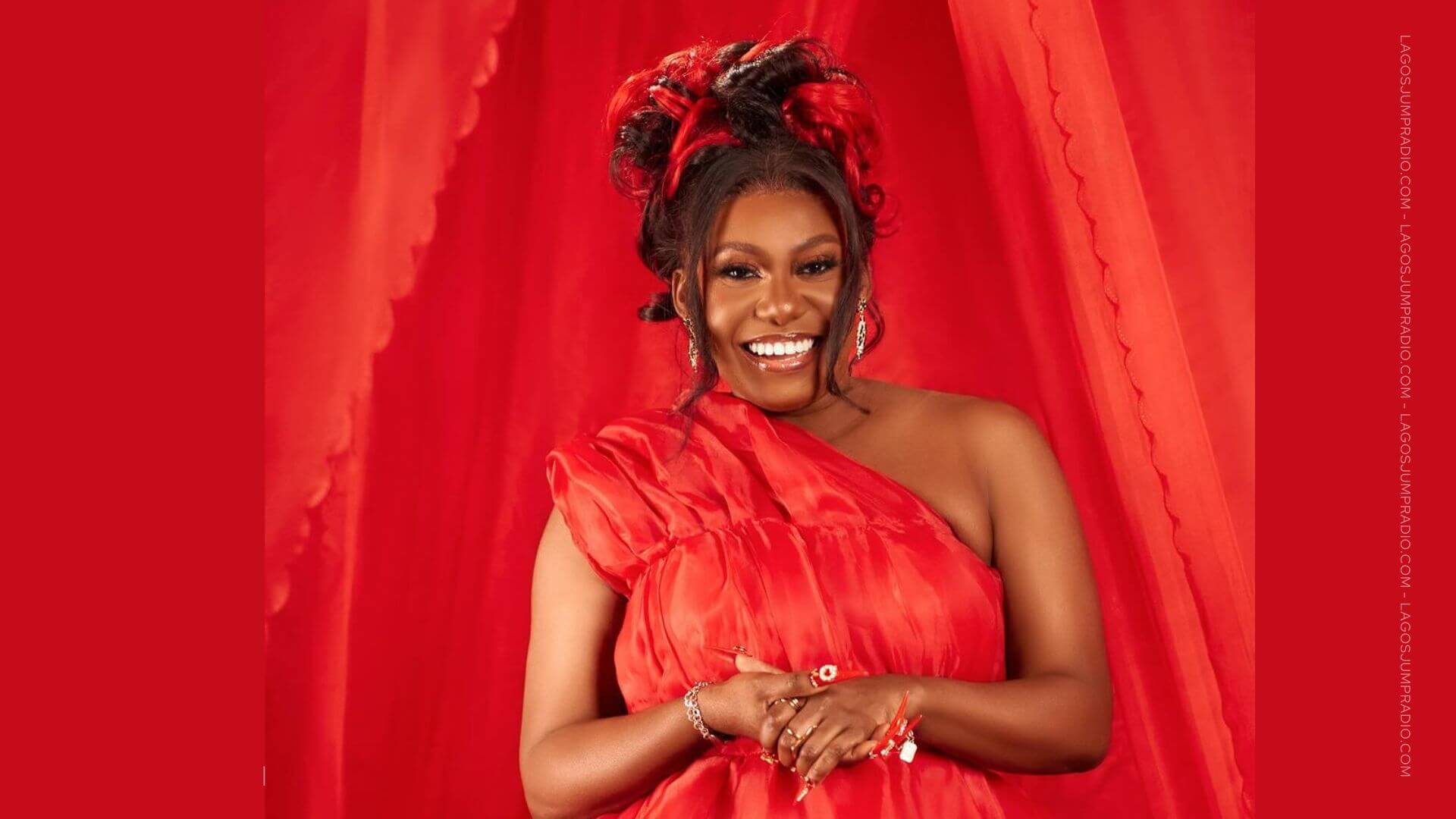
Creating Afro-House: A Genre of Her Own
Rather than chasing the dominant Afrobeats sound, Niniola chose a different path. In 2014, she released her debut single “Ibadi,” produced by Sarz. The song introduced what she called “Afro-House” — a fusion of Afrobeat and house music that she created for herself.
“People were not sure about the longevity of the genre,” she reflected. “But thank God, I didn’t have to change to be somebody else”. The single topped national charts, gained extensive airplay, and was included in the Season 2 soundtrack of Gidi Up. NotJustOk named her on its list of 15 Artists to Watch in 2015, and she earned a nomination for Most Promising Act to Watch at the Nigeria Entertainment Awards.
What Niniola built was not just a sound but a lane entirely her own. As she put it: “Even though my root genre is Afro-House, I can do it all — R&B, pop, folk. So I am basically a girl of many Colours and Sounds”.
“Maradona” and the Global Breakthrough (2017)
The turning point came in 2017 with “Maradona,” produced by Sarz. The song became her defining breakout record. It spent 13 weeks on South Africa’s Metro FM chart and held the number one position for six weeks, becoming the most played song on radio in South Africa according to RadioMonitor SA. It also topped charts on MTV Base South, YFM, and Beat FM 99.9 Nigeria.
“Maradona” did more than dominate African radio. It attracted the attention of global icons. Drake requested the song on a live radio program. Timbaland publicly endorsed her music. And DJ Snake collaborated with her on “Maradona Riddim,” a remix that extended the song’s global reach.
The track earned nominations at the 2018 BET Awards and the South African Music Awards. In April 2018, her debut album This Is Me was nominated for Best African Artist Album at the SAMAs. In May, she was nominated for Viewers’ Choice Best New International Act at the 18th BET Awards.
Also in 2018, Niniola made history as the first female Nigerian artist to surpass one million monthly Spotify listeners.
Beyoncé, the Grammys, and Global Recognition (2019–2020)
Niniola’s international significance reached another level when Beyoncé sampled “Maradona” for “Find Your Way Back,” a track on the 2019 album The Lion King: The Gift. Niniola received songwriting and composition credits on the track and was a contributor to the Grammy-nominated album.
In April 2020, she received her Grammy nomination certificate for her work as a composer on the project. The recognition affirmed her songwriting prowess alongside her reputation as a performer. As the Grammy organization noted, Niniola “has maintained a strong independent career across multiple releases” and “continues to push African music forward”.
She has since collaborated with international artists including DJ Snake and South Africa’s DJ Fresh, reinforcing her position as one of Africa’s most globally connected dance music voices. Her sophomore album Colours and Sounds (2020) featured collaborations with US super-producer Timbaland, South African singer and poet Busiswa, Kenyan Afropop group Sauti Sol, British DJ Afro B, and more.
The Albums: A Discography of Evolution
Niniola’s discography traces her evolution as an artist.
This Is Me (2017) — Her 13-track debut album, released on November 1, 2017, earned her Apple Music’s New Artist of the Month and a SAMA nomination. It included hit singles like “Maradona,” “Sicker,” “Boda Sodiq,” “Oyin,” and “Magun”.
Colours and Sounds (2020) — Her sophomore album was a 13-track project praised for its genre-spanning ambition, blending Amapiano, Afro-House, dancehall, R&B, and Afrofusion. It featured collaborations with Timbaland, Busiswa, Sauti Sol, Nonso Amadi, Femi Kuti, Afro B, and Sarz.
6th Heaven EP (2021/2026) — Originally a 5-track R&B project for fans who wanted a softer, more intimate side of her artistry, 6th Heaven was later expanded and re-released in 2026 as a 7-track EP showcasing her full vocal range.
Press Play (2024) — Her third studio album, released on September 13, 2024, via Drumroll Records, blended her signature Afro-House style with Amapiano across 14 tracks, featuring Pheelz, Magicsticks, OSKIDO, Akeem Adisa, Kah-Lo, and Smangori.
Without You EP (2026) — A deeply personal four-track project written in honour of her late husband and manager of 13 years, Michael Chiedu Ndika, who passed away suddenly in May 2026. The EP explores grief, memory, love, and healing through songs like “Pain,” “Raining (O Dun Mi),” “Teardrops,” and “Somebody’s Baby”.
Awards and Recognition
Niniola’s career has been marked by consistent recognition. She won Best Vocal Performance (Female) at the 14th Headies for “Addicted”. She has received multiple honours — from AFRIMA and Soundcity MVP awards to MTV Base and Headies nominations — cementing her status as one of Africa’s most influential female artists. With over 45 award nominations and wins across her career, her impact is undeniable.
Beyond music, Niniola is also the founder of the Niniola Apata Foundation, which focuses on education and empowerment initiatives in Nigeria.
Resilience and Return: The 2026 Chapter
If Niniola’s career had a theme, it would be resilience. In May 2026, she lost her husband and longtime manager, Michael Ndika, after 13 years of a private marriage that had rarely featured in her public image.
She retreated from the spotlight, then gradually returned. In August 2026, she released “Raining (O Dun Mi),” her first major musical outing since his passing. “Some feelings are too deep for words,” she wrote while teasing the song. “So I put them in a song”.
The Without You EP followed, a four-track tribute that critics described as heartfelt and emotionally raw. Her return to the stage reflected the close relationship she had shared with Ndika, who was not just her husband but her business partner and the CEO of NaijaReview. She has expressed the belief that he would want her to continue singing and sharing her music.
Legacy: The Queen of Afro-House
Niniola’s invention and ownership of the Afro-House genre, combined with Grammy recognition, global chart success, and endorsements from the world’s biggest music icons, place her firmly among the legends of Nigerian and African music.
Her story, from losing her father at eight, to performing at Project Fame, to having Beyoncé sample her music is one of extraordinary resilience and artistry. She did not win Project Fame. She did not follow the dominant sound. She did not change to fit in. And that is precisely why she stands where she does today.
“I’m glad I can be comfortable as an African and sing in my language,” she has said. For Niniola, success was never about becoming somebody else. It was about becoming fully herself and building a genre, a career, and a legacy on her own terms.